
Air Recovery Ventilation System | Energy & Moisture Reclamation

All Categories
Recovery Ventilation System: Comprehensive Energy Reclamation

Recovery Ventilation System: Comprehensive Energy Reclamation

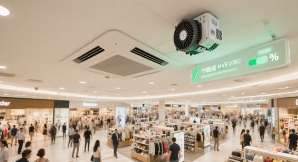
Similar to the heat recovery ventilation system, the recovery ventilation system goes beyond just heat recovery. It is capable of reclaiming various forms of energy, such as moisture, in addition to thermal energy. This holistic approach maximizes the efficiency of the ventilation system, reducing overall energy consumption and improving the indoor environmental quality. Our recovery ventilation systems are designed with innovative technologies, offering a balance between energy savings and effective air exchange for different building applications.
Get A Quote

Advantages of the product

Adaptability to Different Conditions

Capable of operating effectively in various environmental conditions, adjusting energy recovery based on needs.

Enhanced Indoor Air Quality

Maintains a balance of humidity and temperature while bringing in fresh air, improving overall air quality.

Related products

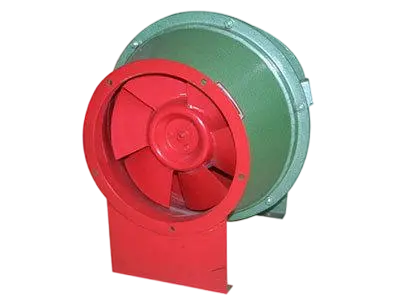
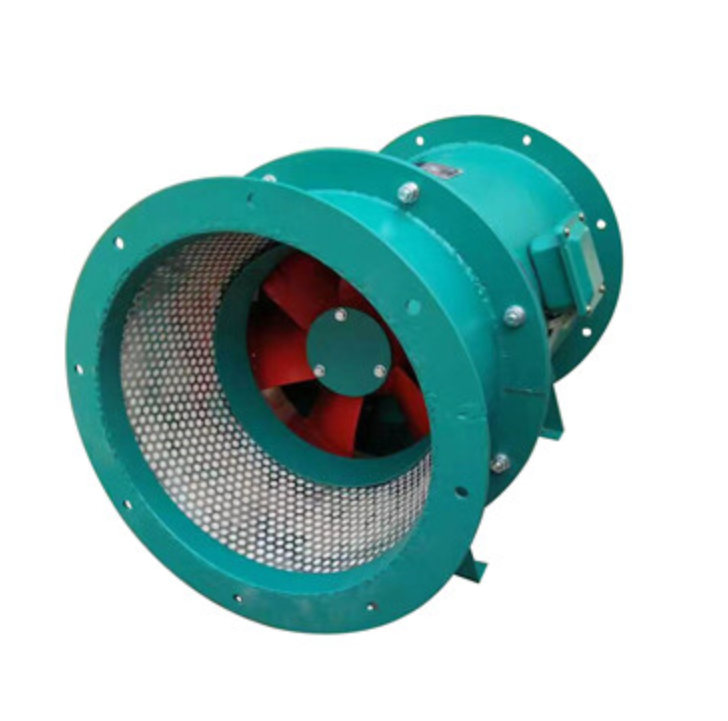
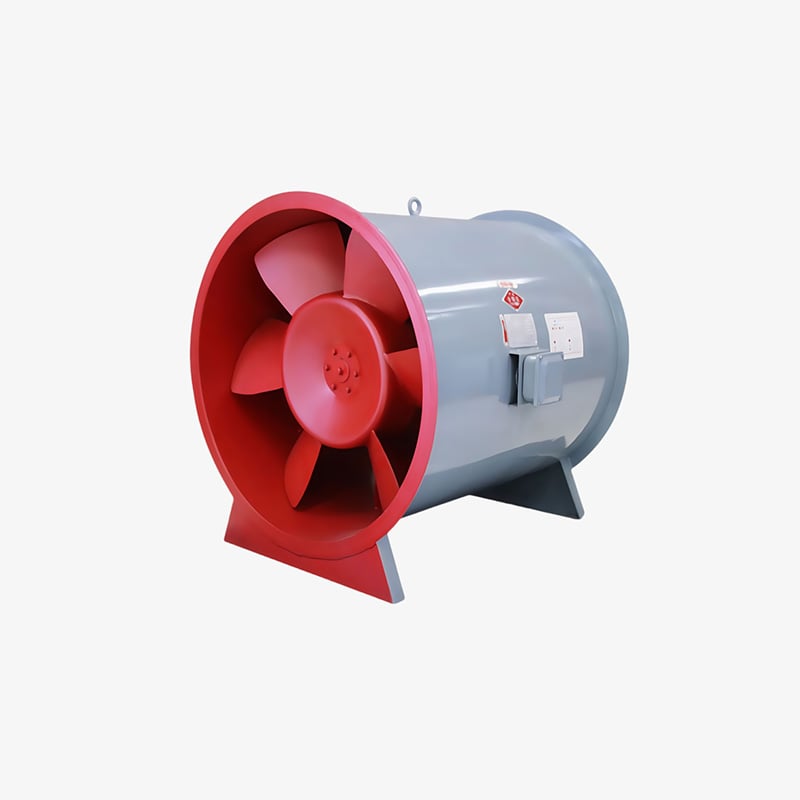
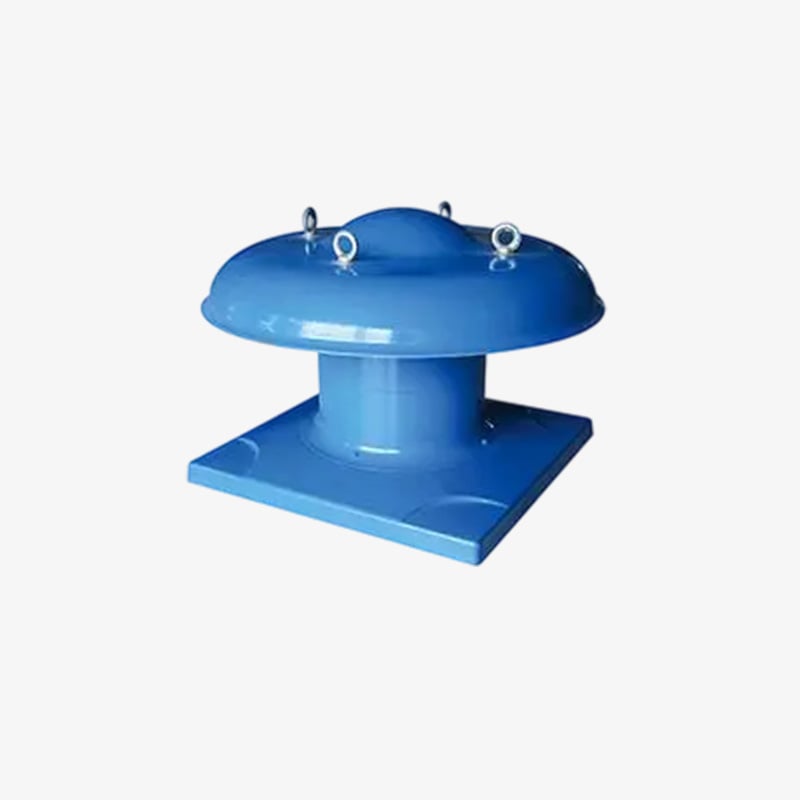
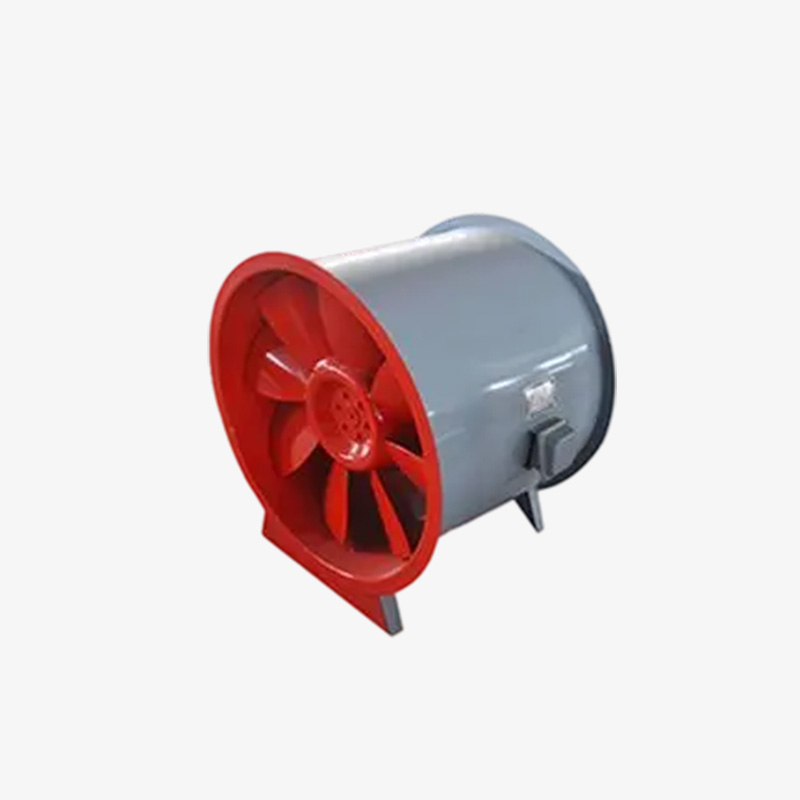
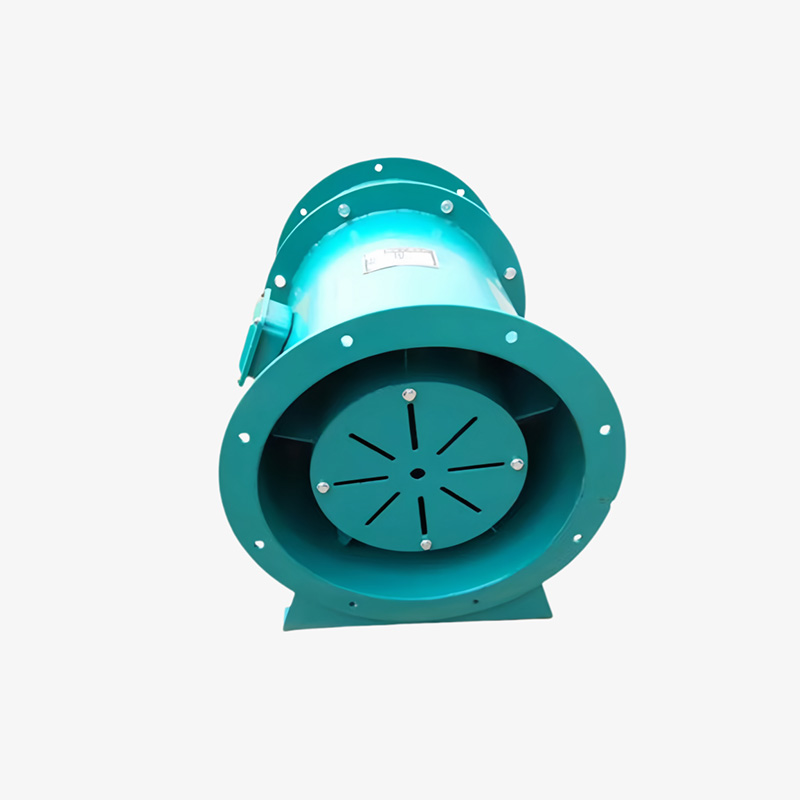
An advanced air recovery ventilation system represents the pinnacle of energy-conscious building design, fundamentally transforming how fresh air is introduced and stale air is expelled while meticulously reclaiming energy that would otherwise be wasted. This system operates on the principle of balanced ventilation, utilizing dedicated supply and exhaust streams that pass through a core component known as a heat or energy recovery ventilator (HRV/ERV). Within this unit, the thermal energy from the outgoing conditioned air is transferred to the incoming fresh, untreated air without mixing the airstreams, dramatically reducing the heating or cooling load imposed on primary HVAC equipment and leading to substantial reductions in operational energy costs. The efficacy and reliability of such a system are intrinsically linked to the quality of its constituent mechanical components, particularly the fans that manage the critical airflow. High-efficiency, low-noise centrifugal fans are essential for maintaining the necessary static pressure to drive air through the intricate network of ducts, filters, and the recovery core itself, ensuring consistent air exchange rates as designed. Integrating smart controls and building automation system (BAS) compatibility further elevates the functionality of an air recovery ventilation system, allowing for dynamic adjustment based on occupancy, indoor air quality sensor data, or time schedules, thereby optimizing energy recovery potential in real-time. For architects, MEP consultants, and facility managers aiming for green building certifications like LEED or BREEAM, specifying a robust and intelligently controlled air recovery ventilation system is a critical strategy, not only for meeting stringent energy codes but also for ensuring superior indoor environmental quality that contributes to occupant health, comfort, and productivity, making the selection of a manufacturer with proven expertise in precision air movement and system integration a paramount consideration for any high-performance residential, commercial, or institutional project.

Common problem

What is the main difference between a recovery ventilation system and a heat recovery ventilation system?

A recovery ventilation system may recover not only heat but also other forms of energy like moisture, while a heat recovery ventilation system mainly focuses on heat recovery.
It is suitable for use in buildings where overall energy efficiency needs to be improved, such as in regions with extreme climates to recover energy from the exhaust air and use it for the incoming air.
Advantages include energy savings, improved indoor air quality by bringing in fresh air while recovering useful energy, and potentially reducing the load on heating and cooling systems.

Related article

The Critical Role of Fire Dampers in Modern Building Safety Systems

09

Jan

The Critical Role of Fire Dampers in Modern Building Safety Systems

In the design and operation of modern buildings, safety is an uncompromisable core priority. Among the numerous safety components that safeguard lives and property, fire dampers stand out as a vital line of defense against the spread of fire and smo...
View More

How Mixed Flow Fans Improve Energy Efficiency in Ventilation Systems

07

May

How Mixed Flow Fans Improve Energy Efficiency in Ventilation Systems

Understanding Mixed Flow Fan Technology in Ventilation The Physics Behind Mixed Flow Fans' Energy Efficiency Energy-efficient mixed flow fans combine the best of axial and centrifugal fans. Unlike axial and centrifugal fans which use an axi...
View More
Innovative Solutions for Commercial HVAC Diffusers

07

May

Innovative Solutions for Commercial HVAC Diffusers

Key Types of Commercial HVAC DiffusersDirectional Diffusers for Flexible Airflow Control Directional diffusers give us control over where the air goes, which really helps keep things balanced in different kinds of buildings. These devices are made sp...
View More
Enhancing Indoor Air Quality with HVAC Vent Diffusers

07

May

Enhancing Indoor Air Quality with HVAC Vent Diffusers

Understanding HVAC Vent Diffusers' Role in Indoor Air QualityHow Vent Diffusers Influence Air Circulation Patterns Vent diffusers play a really important part in how air moves around a space, since they have a major effect on circulation patterns and...
View More

Customer Reviews

Logan

I'm really satisfied with the recovery ventilation system. It's a smart and effective way to enhance energy use.

Mason

The system's ability to recover different types of energy is remarkable. It's a valuable addition to our building.

Get a Free Quote

Our representative will contact you soon.
Email
Mobile/WhatsApp
Name
Company Name
Message
0/1000
Diverse Recovery, High Efficiency and Energy Saving

Diverse Recovery, High Efficiency and Energy Saving

The recovery ventilation system goes beyond traditional heat recovery. It has the ability to recover not only heat but also other forms of energy, such as moisture. By maximizing energy recovery, it significantly improves the overall efficiency of the ventilation system. This leads to reduced energy consumption, lower operating costs, and a more sustainable ventilation solution for buildings.