
 EN
EN
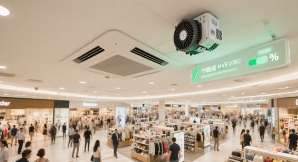
Key Types of Commercial HVAC Diffusers
Directional Diffusers for Flexible Airflow Control
Directional diffusers give us control over where the air goes, which really helps keep things balanced in different kinds of buildings. These devices are made specifically to send air exactly where we want it, giving building managers much better control over temperature distribution across any given space. They work particularly well in places where temperatures fluctuate a lot during the day, like meeting halls or stores, since the way people move around affects what kind of cooling or heating is needed at different times. According to research done by ASHRAE, properly installed directional diffusers can actually cut down on energy bills by around 15 percent while still keeping everyone comfortable. For anyone thinking about putting these in, there are several factors worth paying attention to installation-wise including placement location, actual physical dimensions, and compatibility with existing heating and cooling systems so everything works together smoothly without causing problems later on.
Linear Slot Diffusers: Aesthetic and Functional Design
Linear slot diffusers have become pretty common in today's commercial buildings because they look good and work well. They fit right into ceilings and walls without sticking out, making them perfect for modern office designs where everything needs to blend together. The thin profile allows for even air spread throughout the space, which means people don't get those annoying cold spots near windows or doors. According to energy reports from major utility companies, these diffusers actually help HVAC systems run better over time. For businesses looking to upgrade their facilities, installing linear slot diffusers makes sense since they provide both visual appeal and real world benefits when it comes to temperature control and energy usage.
Swirl Diffusers for High Air Mixing Efficiency
Swirl diffusers work by creating this swirling motion in the air that really helps mix things up and makes people feel more comfortable in big spaces. These diffusers tend to perform best in areas with those high ceilings where regular diffusers just don't do a good job spreading air around properly. Some studies have actually shown improvements in air distribution of about 30% when using these special diffusers, something that matters a lot for keeping indoor air quality at its best level. The thing is though, how well they work depends heavily on their size and where exactly they get installed. Getting this right takes some serious planning because if placed incorrectly, all that potential for better airflow gets wasted.
Jet Diffusers in High-Velocity Applications
Jet diffusers work best when we need fast moving air across long distances, delivering that air exactly where it needs to go. These devices really shine in big commercial areas such as sports arenas, concert halls, and large office buildings. The quick circulation they provide keeps people comfortable even in these massive spaces. Because they direct airflow so precisely, facilities often see lower energy bills from their heating and cooling systems. When installing these diffusers, there are several important factors to consider. First, how the air spreads out matters a lot. Second, getting the right speed of airflow is critical. And third, positioning them properly in relation to heat generating equipment makes all the difference in performance. For any building manager dealing with tough ventilation challenges, jet diffusers remain one of the most reliable tools available.
Fire Safety Integration in HVAC Systems
Fire Dampers: Critical Components for Ductwork Safety
Fire dampers play a key role in HVAC systems, keeping ductwork safe by stopping fires and smoke from spreading throughout buildings. The National Fire Protection Association tells us these devices help keep fire rated walls intact, which matters a lot during emergencies. Building owners need to make sure their fire dampers meet local code requirements so they work properly when there's no time to waste. Testing them regularly isn't just good practice it's essential for making sure they function correctly during those critical moments. Most commercial properties schedule annual inspections as part of their broader fire safety plan, knowing that well maintained dampers can mean the difference between contained damage and total loss in case of a fire incident.
Heat Recovery Ventilation Synergy with Diffusers
When heat recovery ventilation (HRV) systems are combined with proper diffuser placement, commercial buildings see a real improvement in their energy efficiency. These systems basically swap out old indoor air for fresh outside air while keeping most of the heat, which helps maintain good indoor temperatures without wasting energy. The bonus? Better air quality too. Industry data shows some facilities have cut their heating bills by around 20% after installation. Getting the diffusers right matters a lot though. When they're properly aligned with the HRV setup, the mixed air spreads through the space evenly. This makes everyone more comfortable and keeps running costs down, which is why so many office managers are making this upgrade these days.
Greenheck Solutions for Code-Compliant Designs
Greenheck offers advanced fire safety solutions for HVAC systems that meet all the necessary building codes and regulations, keeping commercial spaces safe while running efficiently. The company's product lineup features items such as fire dampers, smoke control devices, and specialized air handling units built specifically for maximum protection against fire hazards. Regular software and hardware updates keep these systems current with evolving standards, which helps maintain energy savings without compromising on safety performance. Working alongside licensed engineers and technicians when designing these systems really makes a difference. It ensures everything works properly from day one and stays compliant throughout its service life, giving facility managers peace of mind knowing their buildings are protected according to the latest requirements.
Noise Control Strategies in Commercial Spaces
Decibel Reduction Through Diffuser Selection
Getting the right diffusers makes all the difference when it comes to cutting down noise in commercial areas. These devices work by smoothing out air movement patterns, which helps bring down overall noise levels significantly. Many modern designs incorporate special materials that absorb sound waves, so they tackle noise pollution without messing up proper ventilation. Research from acoustic engineers indicates good diffuser choices can cut noise by around 8 decibels, which sounds small but makes a real impact on comfort. For businesses serious about noise management, working with acoustic experts is usually worth the investment. These professionals look at each space individually and suggest specific diffuser models and placement strategies that match the unique sound challenges of different environments.
Balancing Airflow Velocity and Acoustic Comfort
Getting the right mix between air movement speed and noise levels matters a lot when it comes to making people comfortable in office spaces and retail areas. Facility staff need to keep an eye on how much air is moving through the system so they can tweak things to cut down on annoying sounds without letting the air quality drop. There are actually some pretty straightforward math calculations that help figure out what kind of airflow works best for different rooms. After installing new systems, it's important to do sound checks throughout the building to see if things have gotten better acoustically. These tests tell us whether the changes we made really address both comfort issues and the day-to-day running requirements of the space.
Case Study: Sound-Optimized Office Retrofit
In a corporate office recently upgraded for better acoustics, the results speak volumes about what proper sound management can achieve. Installing those special noise cutting diffusers along with some strategically placed acoustic panels made quite a difference in how people felt about working there. Employees reported feeling much more comfortable after these changes were put into place, with surveys showing around a third improvement in their general satisfaction levels when it came to noise factors at work. This matches up pretty well with what other research has found regarding workspace acoustics being crucial for morale. For anyone thinking about doing something similar in their own business space, taking detailed notes throughout this whole retrofitting process would be smart. It gives concrete examples of what works where and helps avoid common mistakes others might make when trying to fix sound issues in commercial environments.
Innovative Displacement Ventilation Solutions
How Displacement Diffusers Improve IAQ
Displacement diffusers really help boost indoor air quality (IAQ) since they bring in fresh air at slower speeds, which cuts down on airborne contaminants in the space. Studies show these systems can actually improve IAQ by about half compared to standard ventilation setups. What makes them work so well is how they use air stratification principles, which means better temperature management and overall comfort for people in the room. That's why many commercial buildings and offices go for this type of system when good air quality matters most. But keep in mind that without proper upkeep and changing those filters on schedule, all those benefits start to fade away over time. Regular maintenance just keeps everything running smoothly as intended.
Historic Building Case Study: Burnham Tower Retrofit
Burnham Tower's retrofit stands out as one of those real world examples where new displacement ventilation tech made all the difference. After making some key changes to the building systems, they saw around a quarter drop in their overall energy usage. People living there also reported feeling much more comfortable day to day. Looking at before and after data shows pretty impressive improvements in both efficiency and green credentials, which makes this project worth looking at when planning similar work on older buildings. The whole thing came together because architects and conservation specialists worked side by side, finding ways to keep the original look intact while getting modern performance from the space.
Energy Savings Through Thermal Zoning
When thermal zoning gets added to displacement ventilation systems, it creates areas where heating and cooling happen locally rather than across entire spaces. This means big cuts in energy bills while people actually feel more comfortable too. Research from building science labs shows that when buildings adopt these zoning techniques, they often see around 30% less spent on utilities each month. That kind of saving hits both wallets and carbon footprints hard. Thermal zoning fits right into what most companies want these days for green initiatives, plus makes workplaces nicer places to be. And if we throw in some smart tech stuff like sensors and automated controls, those zones start working even better over time. The system adjusts itself constantly based on what occupants need at different times of day without anyone having to manually tweak anything.