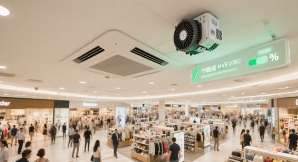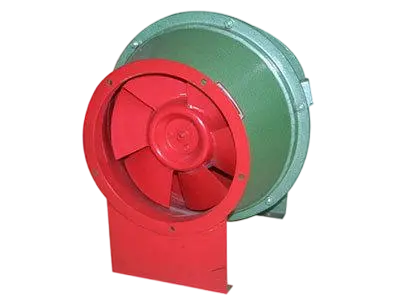
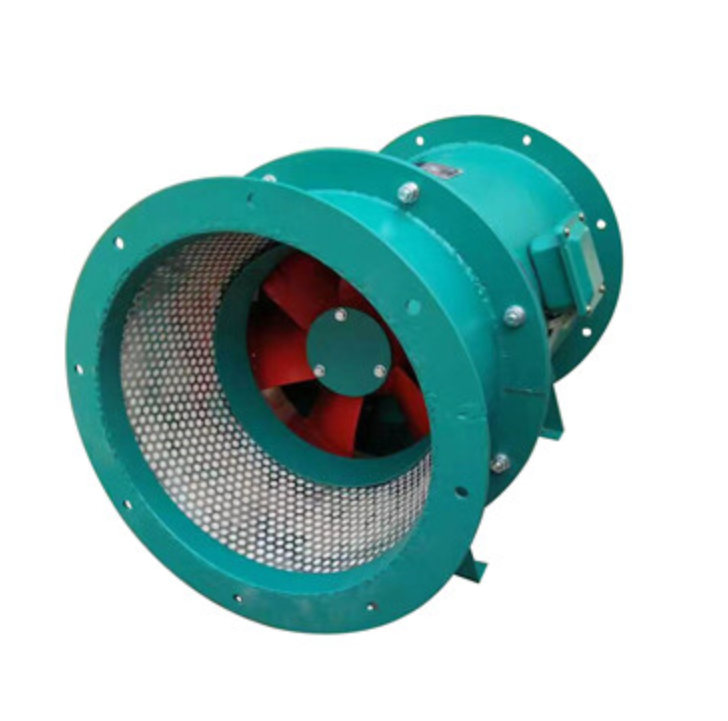
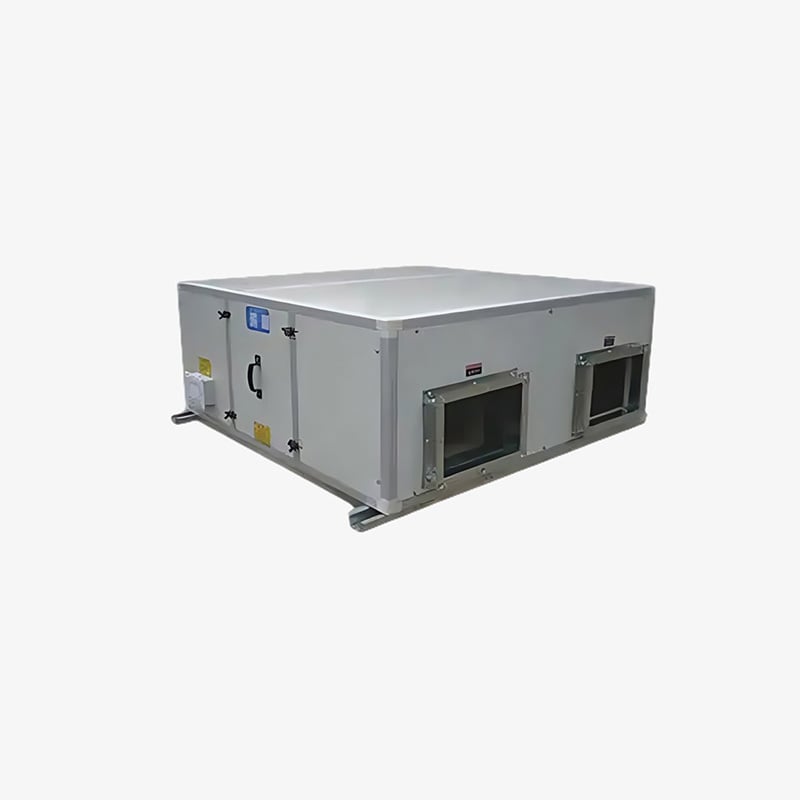
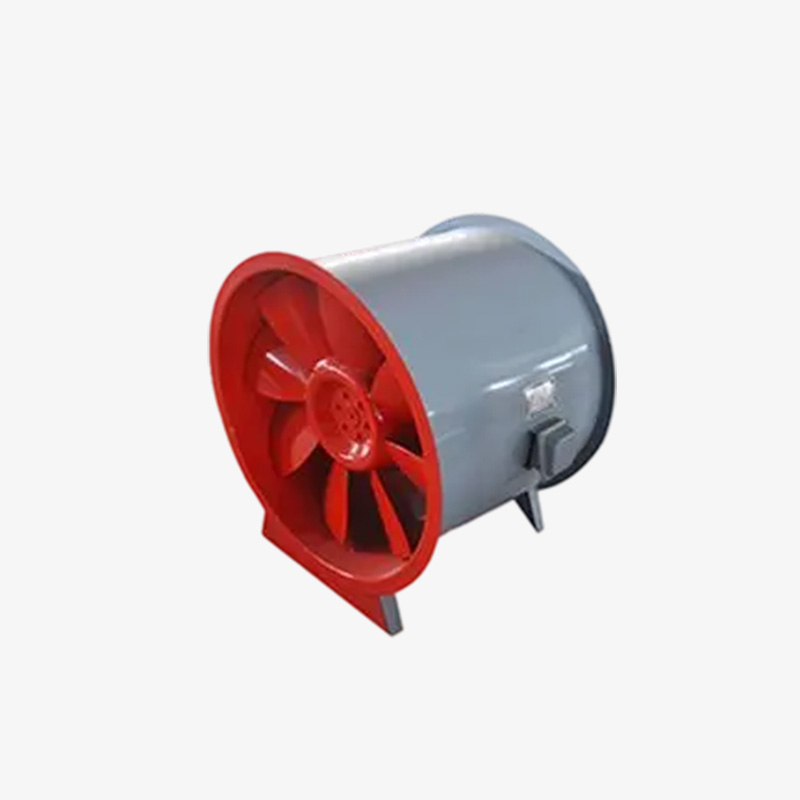
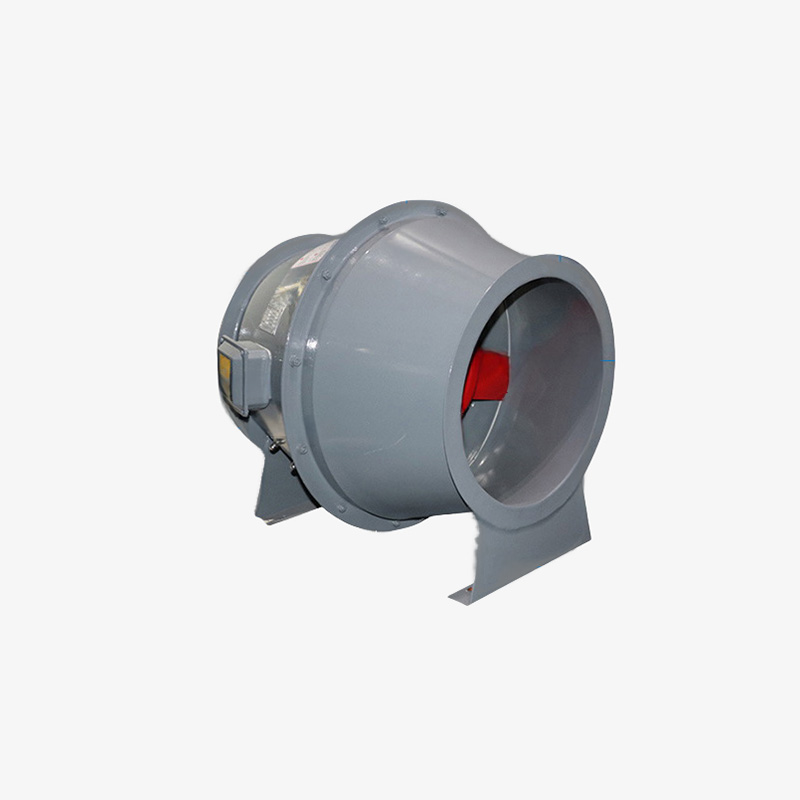
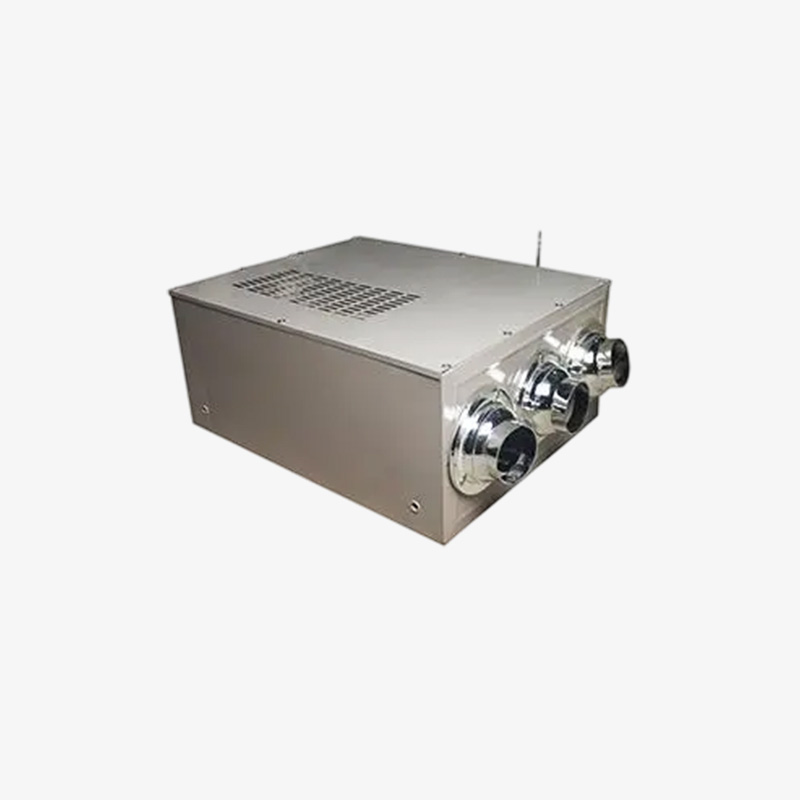

In the pursuit of optimal indoor environmental quality and energy conservation, the implementation of a new recovery ventilation system has become a foundational element in modern HVAC design for both residential and commercial applications. A new recovery ventilation system, often encompassing both Energy Recovery Ventilators (ERVs) and Heat Recovery Ventilators (HRVs), operates on a principle of sustainability by capturing usable thermal energy from the exhaust air stream before it is expelled from the building. This recovered energy is then transferred to the incoming fresh air stream, significantly preconditioning it and slashing the energy load required by primary heating and cooling equipment. The core of a new recovery ventilation system is its heat exchange core, which can be of a plate-type or rotary wheel design, engineered from materials that maximize thermal transfer while ensuring separation of air streams to prevent cross-contamination. Advanced systems incorporate enthalpy wheels or membranes that also transfer latent heat (humidity), providing superior humidity control in addition to temperature management. This process is not merely about energy savings; it is fundamentally about enabling higher ventilation rates without prohibitive energy penalties, thus continuously diluting indoor pollutants, volatile organic compounds, and excess carbon dioxide. A new recovery ventilation system is indispensable in tightly sealed, energy-efficient buildings where natural infiltration is minimized, ensuring a constant supply of filtered, tempered outdoor air. The technology has evolved to include intelligent controls and sensors that monitor outdoor and indoor conditions, automatically adjusting the system's operation to maximize recovery efficiency. For commercial buildings, this translates directly into lower utility bills and compliance with green building standards like LEED. For homeowners, it means a healthier, more comfortable living environment with reduced drafts and stable indoor humidity levels. The strategic implementation of a new recovery ventilation system represents a shift from simply conditioning air to intelligently managing a building's total energy and air quality ecosystem. By recovering the energy that would otherwise be wasted, these systems exemplify how advanced engineering can harmonize human comfort with environmental stewardship, making them an essential investment for any project focused on long-term operational excellence and occupant well-being.