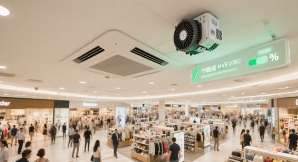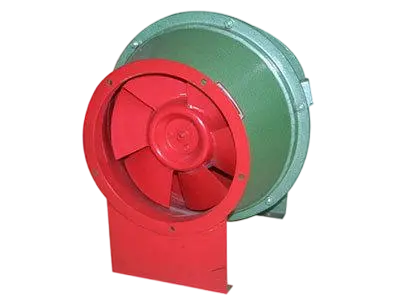
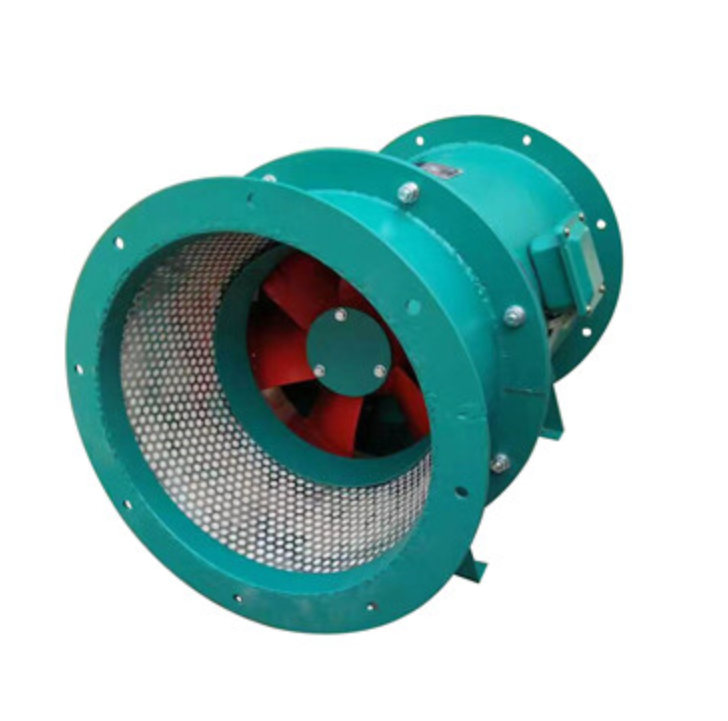
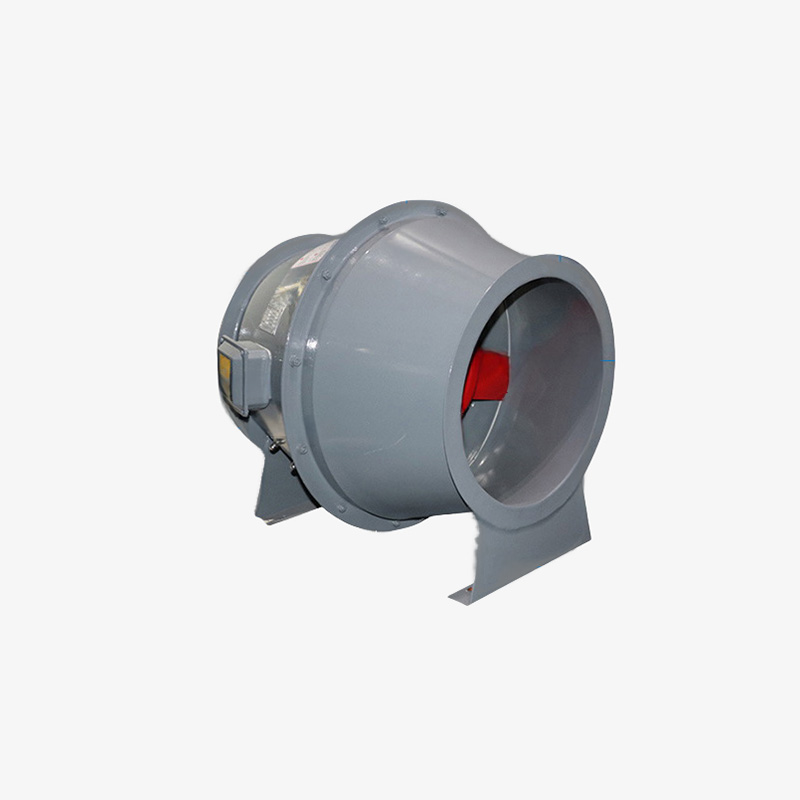
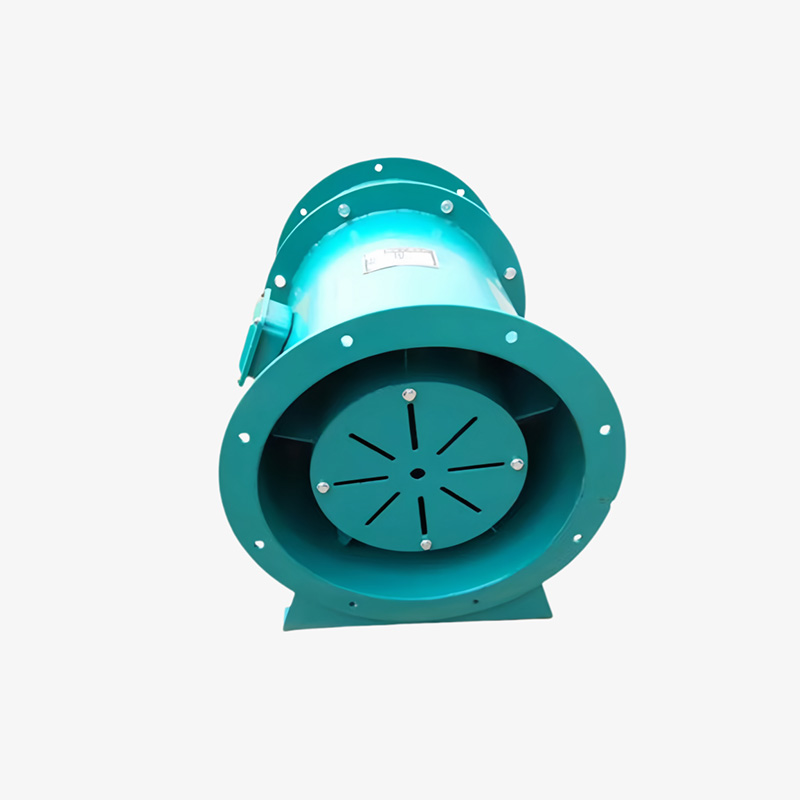
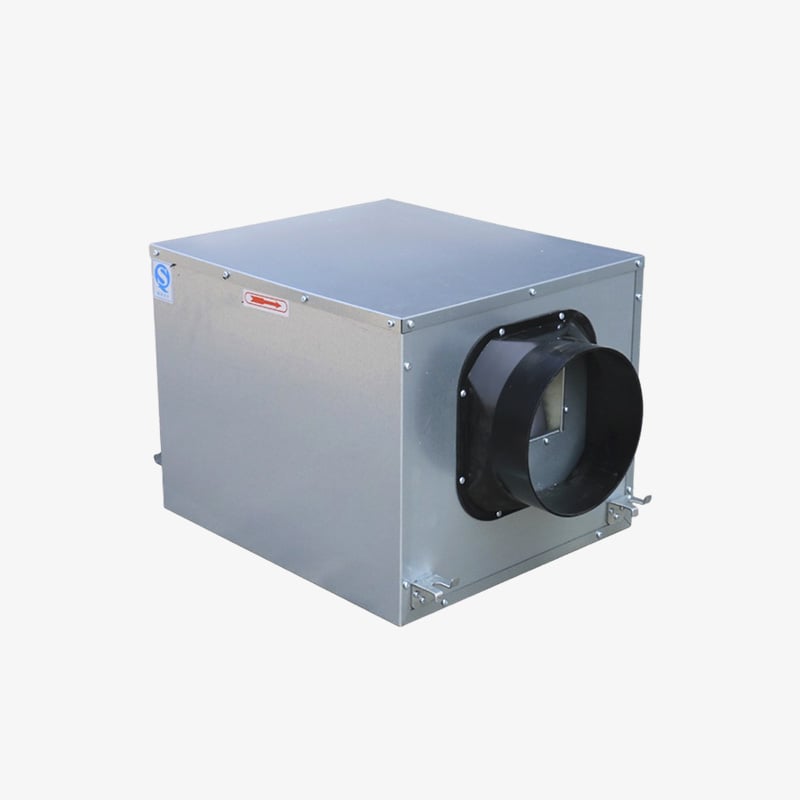
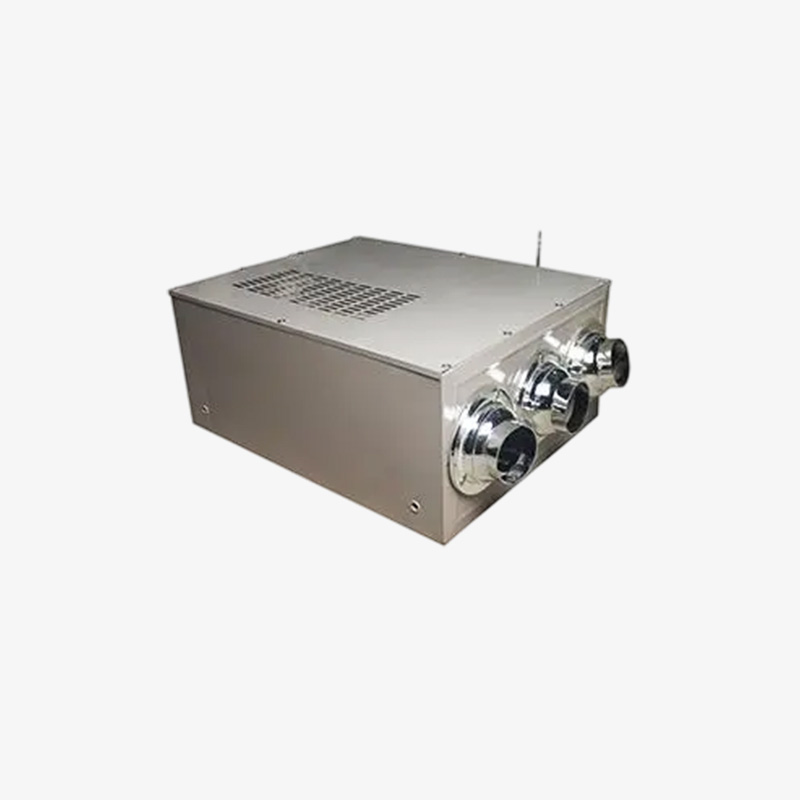
As commercial buildings become more airtight in the name of energy efficiency, the need for controlled mechanical ventilation has never been greater, and the commercial recovery ventilation system has emerged as the paramount technology to address this challenge. A commercial recovery ventilation system is an engineered solution designed to provide a continuous supply of fresh, filtered outdoor air to building occupants while simultaneously exhausting an equal volume of stale indoor air. The defining feature of such a system is its ability to capture thermal energy from the exhaust air and transfer it to the incoming fresh air during winter, or reverse the process during summer to pre-cool and dehumidify the intake. This is achieved through a high-efficiency heat exchanger core, which can be an air-to-air plate exchanger or a rotary energy wheel, ensuring that the energy invested in heating or cooling the indoor space is not simply thrown away. The implications for operational budgets are profound; a commercial recovery ventilation system can reduce the HVAC load associated with ventilation by 70% to 80%, leading to substantial and recurring cost savings. Beyond energy economics, the system plays a pivotal role in indoor air quality management by constantly diluting and removing pollutants, excess moisture, and odors, thereby creating a healthier and more productive environment for employees, customers, or residents. Modern commercial recovery ventilation system designs integrate seamlessly with existing HVAC infrastructure, often including bypass dampers and controls that enable "free cooling" during mild weather, drawing in unconditioned outside air when conditions are favorable. The systems also incorporate advanced filtration, which can be upgraded to MERV or HEPA levels, to protect the heat exchanger and, more importantly, to ensure the delivery of exceptionally clean air. For building owners and managers, the adoption of a commercial recovery ventilation system is a strategic decision that enhances asset value, demonstrates environmental responsibility, and ensures compliance with increasingly demanding ventilation standards like ASHRAE 62.1. By effectively decoupling the ventilation load from the space conditioning load, these systems allow for downsizing of primary heating and cooling equipment, offering capital cost savings on top of operational efficiencies. In essence, a commercial recovery ventilation system is the intelligent, sustainable heart of a modern building's air management strategy.