 EN
EN
Smoke Exhaust Fire Valve
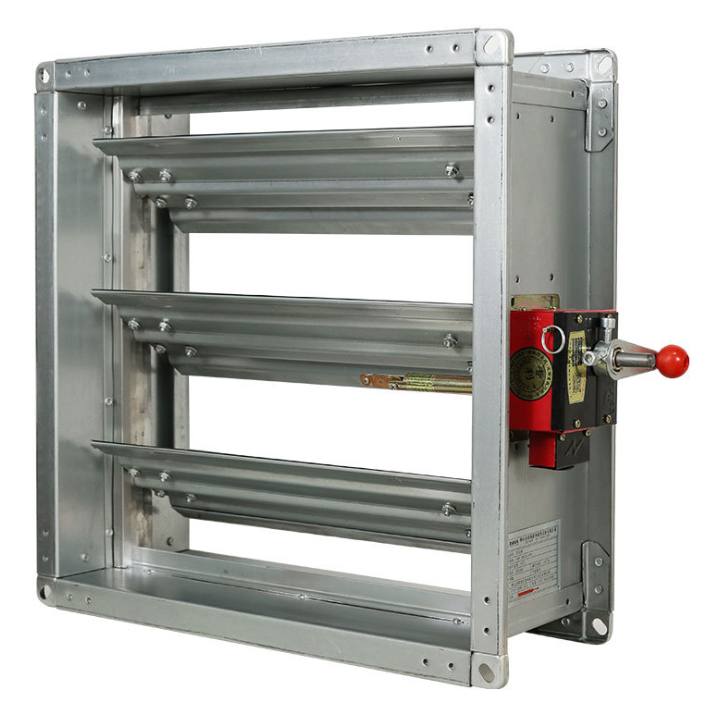
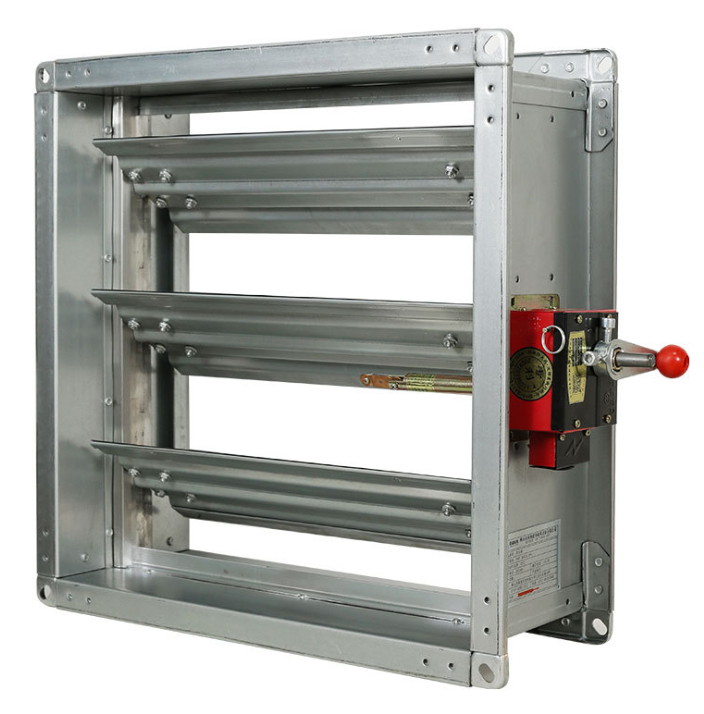
Welcome to our premium Smoke Exhaust Fire Valve, specially designed for building smoke exhaust systems. The valve is typically installed in smoke exhaust ducts or branch ducts and remains normally open during daily operation to ensure effective smoke extraction. In the event of a fire, when the smoke temperature reaches the preset activation point or a fire control signal is received, the valve automatically closes to prevent the spread of flames and high-temperature smoke through the ductwork. Manufactured from high-quality galvanized steel, the valve provides excellent sealing performance, reliable operation, and long service life, making it suitable for commercial buildings, underground parking garages, hospitals, schools, and public facilities.
- Overview
- Recommended Products
Automatic Fire Protection Through Thermal Closure:
The valve is held open by a fusible link during normal operation. When the temperature of the exhaust air reaches the rated setting, the link separates and the blade springs closed, blocking the duct and preventing the spread of flames and high-temperature smoke to other areas.Seamless Integration with Fire Alarm Systems:
The electric actuator option allows for direct integration with building fire alarm systems. The valve can be commanded to close remotely, supporting zone-based smoke management strategies and enabling automatic response to both heat and smoke detection.Superior Sealing Performance:
The precision-engineered sealing system ensures minimal smoke leakage when the valve is closed. This containment is critical for maintaining the integrity of fire compartments and preventing the migration of toxic gases into escape routes.Robust Galvanized Steel Construction:
Constructed from heavy-gauge galvanized steel, the valve offers exceptional resistance to corrosion, mechanical damage, and thermal deformation. The zinc coating provides sacrificial protection, ensuring the valve remains functional even after years of exposure to the humid and contaminated environment typical of duct systems.Standardized Flange Connection:
The valve features industry-standard flange connections that are compatible with commonly used rectangular duct systems. The flanges are pre-drilled and supplied with sealing gaskets, enabling fast, secure installation by qualified HVAC contractors.Comprehensive Customization Capabilities:
Ventech provides extensive customization options to meet specific project specifications. Available options include custom dimensions (up to 2000mm x 2000mm), specialized actuators with specific torque and opening/closing time characteristics, alternative control voltages (24V DC, 110V AC, 220V AC), and corrosion-resistant finishes.Commercial Buildings and High-Rise Structures:
Office buildings, shopping malls, hotels, and mixed-use commercial developments require comprehensive compartmentalization of duct systems. The smoke exhaust fire valve is installed at branch duct takeoffs and at penetrations through fire-rated barriers, ensuring that any fire is contained within its zone of origin. In high-rise buildings, this containment is critical for maintaining the integrity of escape stairwells and preventing the vertical spread of fire and smoke.Underground Parking Garages and Basements:
Enclosed underground spaces present a significant fire safety challenge due to the difficulty of natural ventilation. The smoke exhaust fire valve is an essential component of dedicated vehicle exhaust and smoke control systems, providing both the extraction capability during a fire and the automatic closure necessary to prevent fire spread through shared ductwork.Public and Institutional Facilities:
Hospitals, schools, universities, airports, railway stations, and exhibition centers all require sophisticated fire protection systems. In healthcare facilities, the valve is critical for containing fires and preventing smoke from reaching patient areas. In schools and public assembly buildings, reliable fire compartmentalization is essential for ensuring safe and orderly evacuation.Industrial Facilities and Storage Areas:
Factories, warehouses, and industrial processing plants often contain significant fire loads from raw materials, finished products, or chemical storage. The smoke exhaust fire valve provides the necessary protection for duct systems that are essential for removing process-generated heat, fumes, and dust during normal operation.Commercial Kitchen Exhaust Systems:
Although specialized grease duct fire dampers are typically required for commercial kitchen applications, the smoke exhaust fire valve is often employed in the general building exhaust systems serving adjacent areas, providing a comprehensive fire protection strategy.Critical Infrastructure:
Power plants, telecommunications facilities, data centers, and government buildings rely on these valves to protect mission-critical operations from the devastating impact of smoke and fire.
The smoke exhaust fire valve from Ventech represents a fundamental component of any comprehensive building fire protection strategy, serving as the critical interface between the need for smoke extraction during a fire and the imperative to prevent the spread of fire through the ventilation system.
The Role in Smoke Management Systems
Modern buildings are equipped with mechanical smoke exhaust systems designed to remove smoke from a fire-affected zone, maintaining visibility and air quality for evacuation and firefighting. However, the very ductwork that enables this extraction can also become a conduit for the spread of fire and hot, toxic gases to other areas of the building. This is where the smoke exhaust fire valve comes into play. By automatically closing when exposed to high temperatures, the valve compartmentalizes the fire, preventing it from traveling through the duct system and endangering other zones.
Design and Construction Excellence
The valve is constructed from high-quality galvanized steel, providing an exceptional balance of strength, durability, and corrosion resistance. The manufacturing process begins with precision shearing of steel sheets, followed by forming and welding to create a rigid frame assembly. The frame is designed to maintain its dimensional stability even when exposed to the extreme heat of a fire.
The blade assembly is the heart of the valve, featuring a robust design that ensures positive closure against the frame. The blade is constructed from the same high-quality galvanized steel and is reinforced with stiffening ribs to prevent warping under thermal stress. The blade pivots on precision-ground stainless steel shafts that rotate in self-lubricating bearings, ensuring smooth operation even after extended periods of inactivity.
Sealing Performance Under Extreme Conditions
The sealing system of the smoke exhaust fire valve is engineered to provide effective smoke and flame containment. The blade is equipped with a high-temperature sealing gasket that compresses against the frame when the blade is in the closed position. This gasket is manufactured from a material that remains flexible and resilient even at temperatures exceeding 250°C, ensuring that the seal remains effective during the critical early stages of a fire. The sealing performance is validated through rigorous leakage testing in accordance with international standards.
Actuation and Control Mechanisms
The smoke exhaust fire valve can be equipped with either thermal-actuation or electric-actuation systems, depending on the specific requirements of the fire protection design.
Thermal-actuation is the most common configuration, utilizing a fusible link or heat-sensitive element that holds the valve open during normal operation. The fusible link is a temperature-sensitive device designed to melt or break at a predetermined temperature, typically 72°C, 93°C, or 141°C. When the ambient temperature surrounding the link reaches the rated temperature, the link separates, releasing the blade and allowing a powerful spring to drive the valve to the closed position. This mechanical closing mechanism does not require electrical power, making it highly reliable and fail-safe.
Electric-actuation provides additional control functionality. The valve is held open by an electric actuator and can be closed remotely by a signal from the fire alarm control panel or building automation system. This allows for integration with smoke detection systems and enables valves to be closed automatically in specific zones while remaining open in others. The actuator can be equipped with auxiliary switches for remote position indication, allowing building operators and firefighters to verify the status of the valve from a central location.
Compliance with International Fire Safety Standards
Ventech designs and manufactures smoke exhaust fire valves to meet or exceed the requirements of major international standards, including UL 555 (Standard for Fire Dampers), BS EN 1366-2 (Fire resistance tests for service installations - Fire dampers), and ISO 10294 (Fire resistance tests - Fire dampers). Products are tested for high-temperature operation (typically 300°C for up to two hours), leakage rates, corrosion resistance, and operational reliability. Certification from recognized testing organizations provides assurance of performance and simplifies the approval process with building authorities and insurance underwriters.
| Item | Specification Details |
|---|---|
| Product Type | Smoke Exhaust Fire Valve |
| Frame Material | High-quality Galvanized Steel |
| Blade Material | Galvanized Steel |
| Actuator | Manual or Electric Actuator (Optional) |
| Installation Method | Flange Connection |
| Operating Status | Normally Open |
| Closing Method | Automatic Thermal Release or Fire Alarm Linkage |
| Activation Temperature | 280°C (Customizable for Project Requirements) |
| Dimensions | Customizable according to duct size |
The smoke exhaust fire valve is a mandatory component of building fire safety systems, with applications spanning a wide range of commercial, institutional, and industrial buildings.
The smoke exhaust fire valve serves two primary functions in a building fire safety system: enabling smoke extraction during the early stages of a fire and automatically closing to prevent the spread of fire through the duct system when temperatures become hazardous.
Normal Operation – Open Position
During normal daily operation, the valve is held in the fully open position by the actuator or fusible link. This allows the mechanical smoke exhaust system to operate as designed, continuously extracting smoke and removing contaminated air from the building. The valve remains open without any significant resistance to airflow, ensuring that the exhaust system operates at its designed efficiency and that the building's indoor air quality is maintained.
Emergency Response – Thermal Activation
In the event of a fire, the temperature of the smoke entering the exhaust duct will begin to rise. When the temperature at the valve reaches the preset rating of the fusible link (typically 72°C or 93°C), the link separates. This release triggers a powerful spring mechanism that drives the blade from the open position to the fully closed position. The closing action is rapid and positive, creating a robust barrier across the duct.
Emergency Response – Electric Activation
Where electric actuation is specified, the valve is held open by a motorized actuator. Upon receipt of a signal from the fire alarm control panel, the actuator drives the blade to the closed position. The actuator is typically designed with a spring-return mechanism that closes the valve even in the event of power failure, ensuring fail-safe operation. This electric activation can be triggered by any combination of heat, smoke, and flame detection devices.
Containment and Compartmentalization
With the valve closed, the duct is effectively sealed. This prevents high-temperature combustion gases and flames from propagating through the duct system to other parts of the building. This containment functionality is essential for limiting the damage from the fire and maintaining the safety of areas that are not directly affected by the fire.
Support for Evacuation and Firefighting
By containing the fire to its zone of origin, the valve ensures that escape routes and firefighting access routes remain as clear of smoke as possible. This supports the safe evacuation of building occupants and provides firefighters with a more manageable environment for their operations.
Q: What is the difference between a Smoke Exhaust Fire Valve and a standard Fire Damper?
A: A Smoke Exhaust Fire Valve remains normally open for smoke extraction, while a standard Fire Damper is used in ventilation systems and closes when the preset temperature is reached.
Q: Can it be connected to a fire alarm control system?
A: Yes. Electric actuator options are available for automatic fire alarm linkage.
Q: What is the standard activation temperature?
A: The standard activation temperature is 280°C, with other configurations available upon request.
Q: Are custom dimensions available?
A: Yes. The valve can be manufactured according to duct size and project specifications.
Q: What material is used?
A: The standard model is manufactured from high-quality galvanized steel.
Q: Do you provide technical support?
A: Yes. We provide product selection, installation guidance, and comprehensive after-sales technical support.