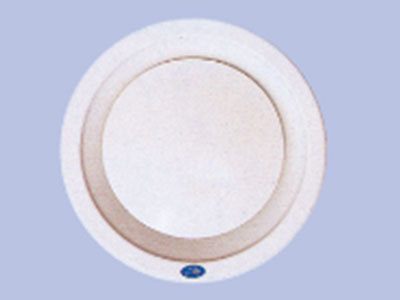
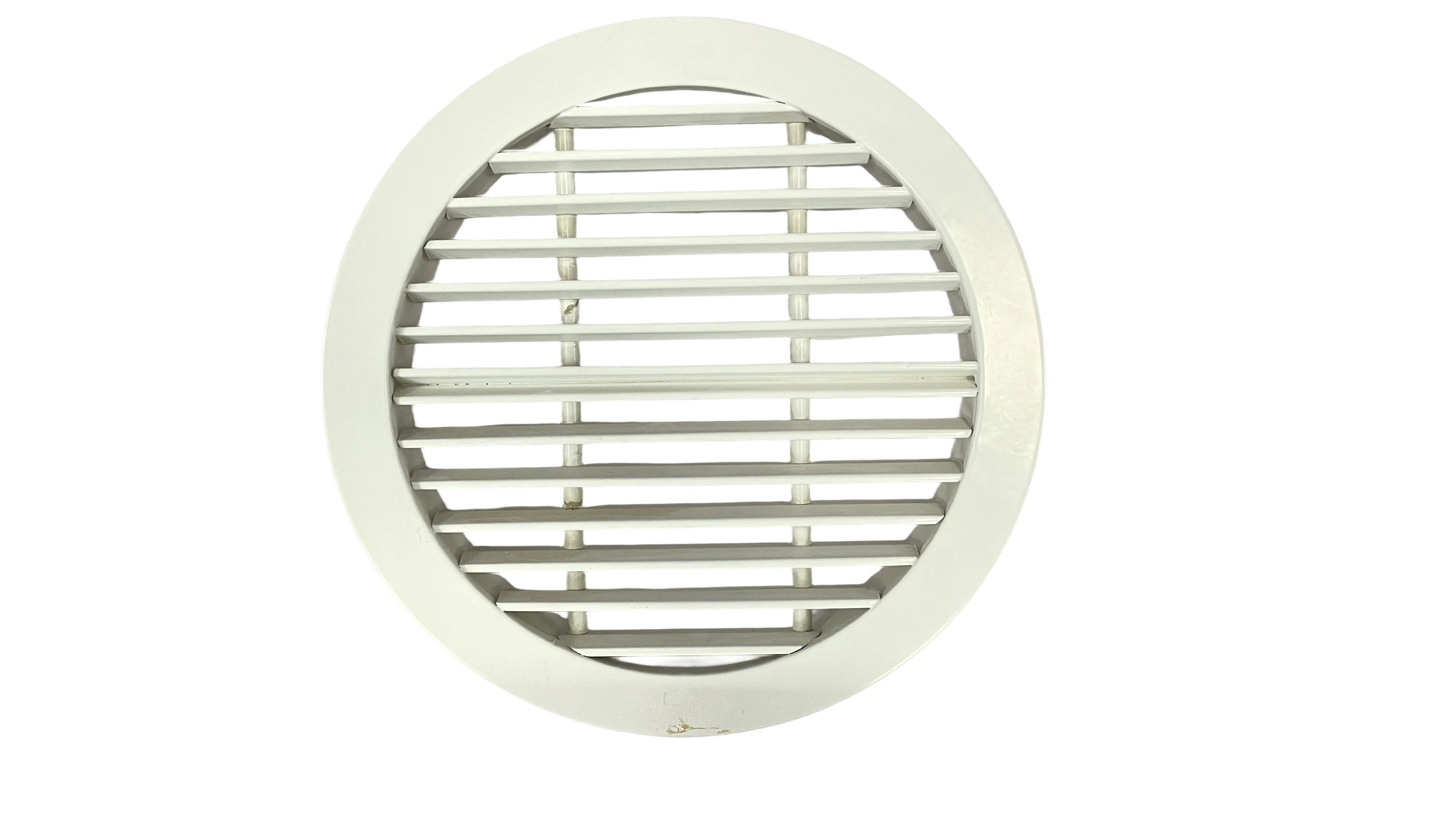

In the realm of commercial HVAC design, the round commercial hvac diffuser serves as the critical interface between the concealed ductwork system and the occupied space, tasked with the dual responsibility of delivering conditioned air efficiently and integrating seamlessly into the architectural aesthetic. Its performance directly influences occupant comfort through key parameters such as air throw, drop, spread, and induction rate, which determine how effectively the supply air mixes with room air to eliminate hot or cold spots and minimize drafts. The geometry of a round commercial hvac diffuser, often featuring adjustable concentric patterns or fixed deflection designs, is engineered to create a Coanda effect, where the discharged air stream attaches to the ceiling surface, promoting extensive horizontal spread and rapid temperature equalization. Available in a range of materials from standard steel with powder-coat finishes to high-end brushed aluminum or stainless steel for sterile or corrosive environments, these diffusers must also address acoustical performance, incorporating built-in silencers or engineered neck geometries to dampen undesirable air noise. From a specification perspective, factors such as neck size for airflow capacity, core selection for specific throw patterns, face ring design for flush or lay-in mounting, and the availability of compatible accessories like opposed-blade dampers for balancing or security screens are paramount. For projects demanding a cohesive visual language, manufacturers offering custom powder-coat colors, bespoke finishes, or proprietary private-mold designs for unique architectural profiles provide an invaluable solution, allowing the round commercial hvac diffuser to transition from a mere functional component to an element of interior design. Furthermore, the trend towards modular and flexible office spaces underscores the need for diffusers that can be easily accessed and adjusted, making features like a removable core for cleaning or maintenance a significant practical advantage, ensuring long-term performance, indoor air quality, and energy efficiency of the entire ventilation system.