Innovative Heat Exchange Ventilation Solutions for Cleaner Air
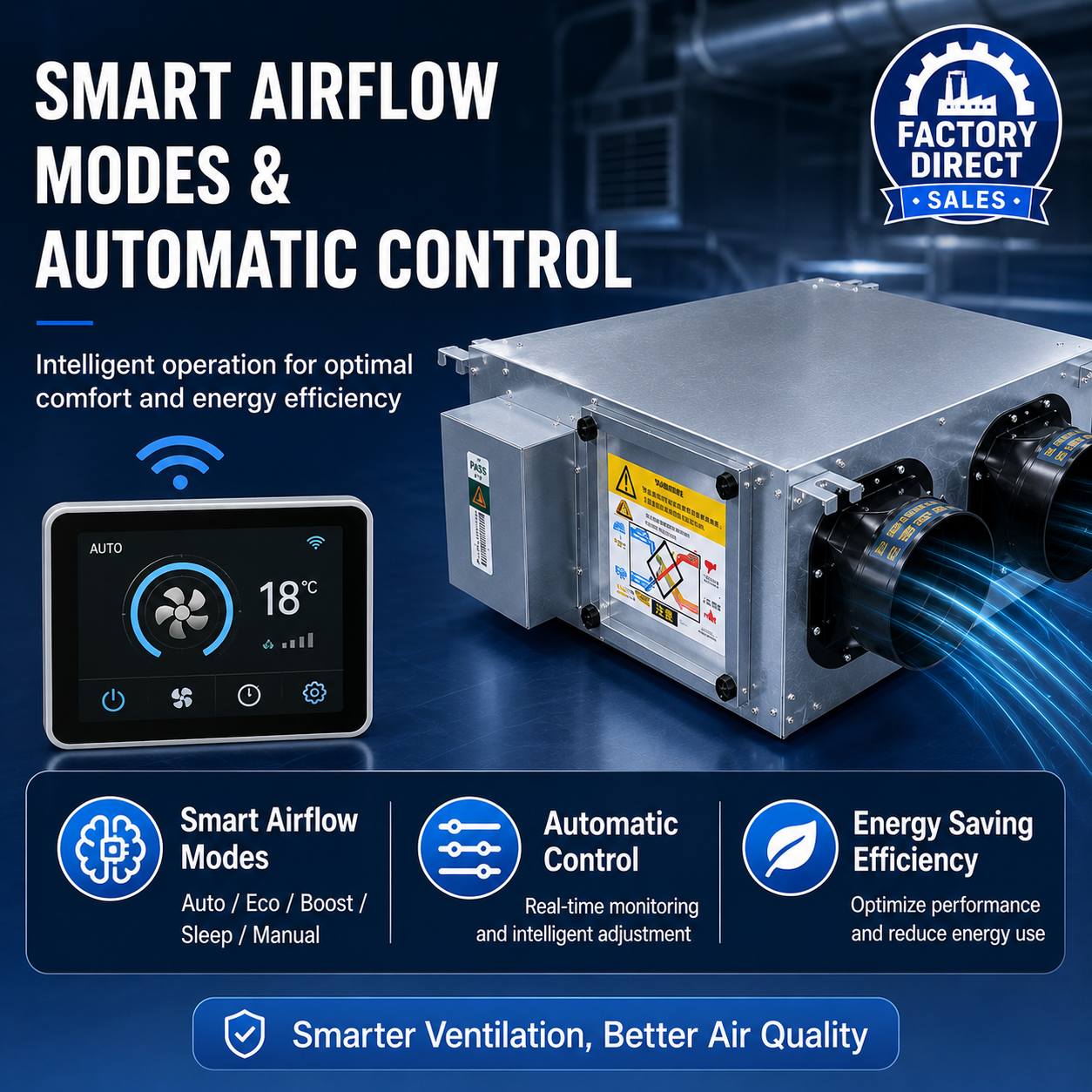
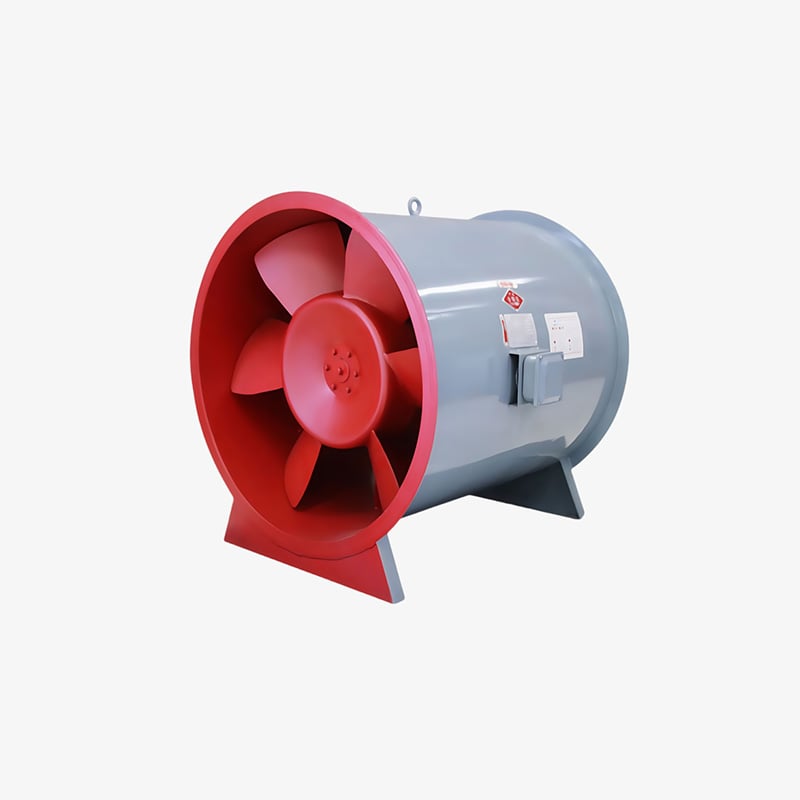
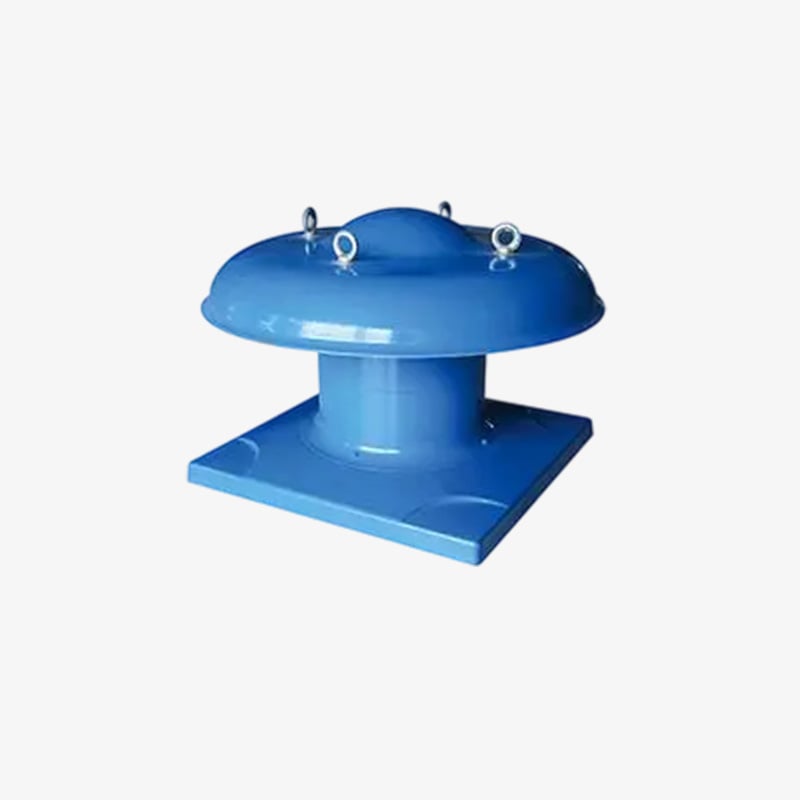
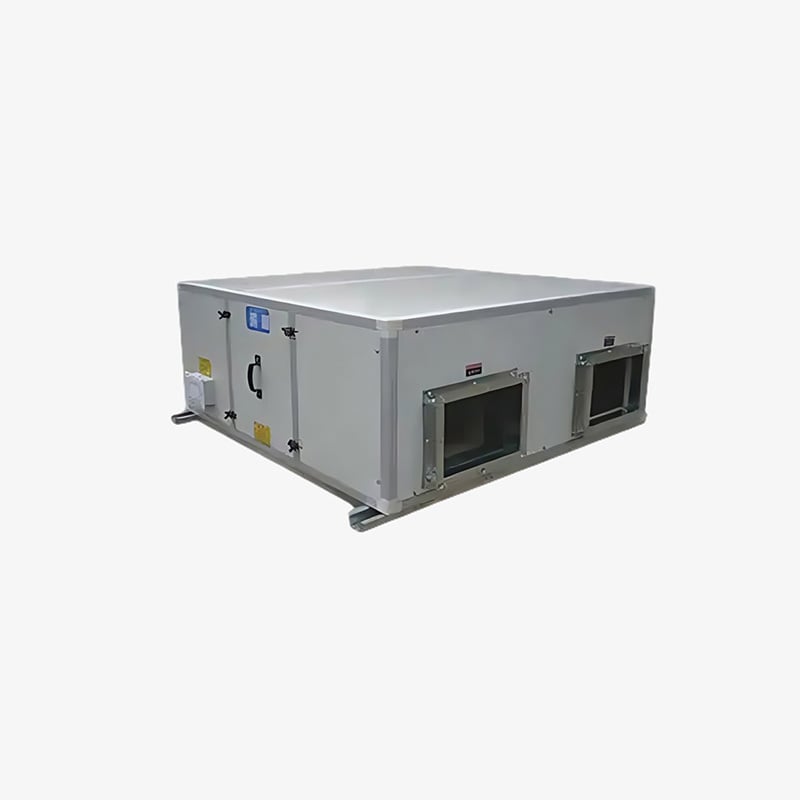
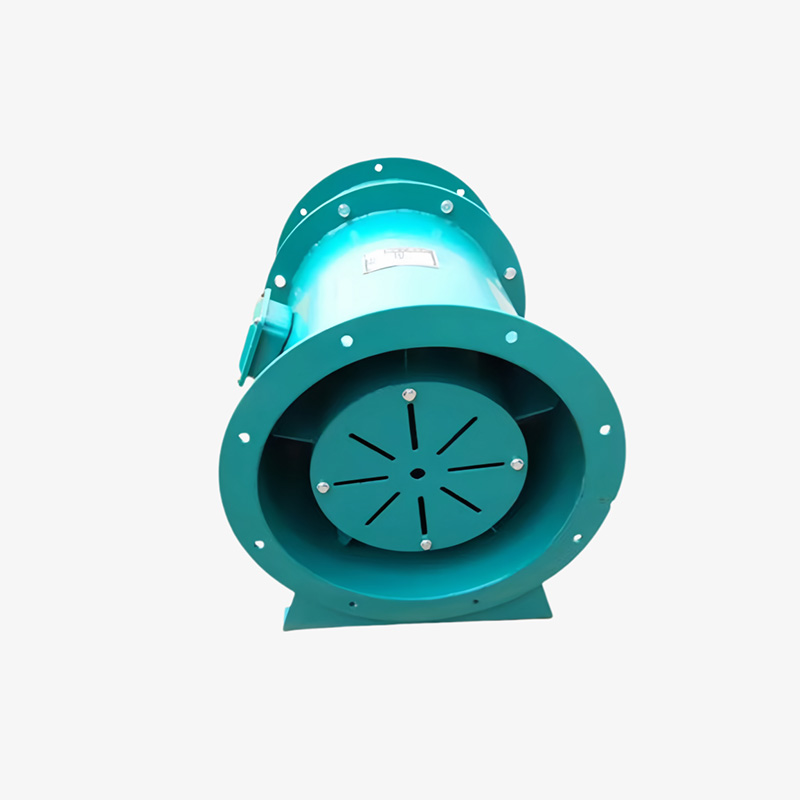
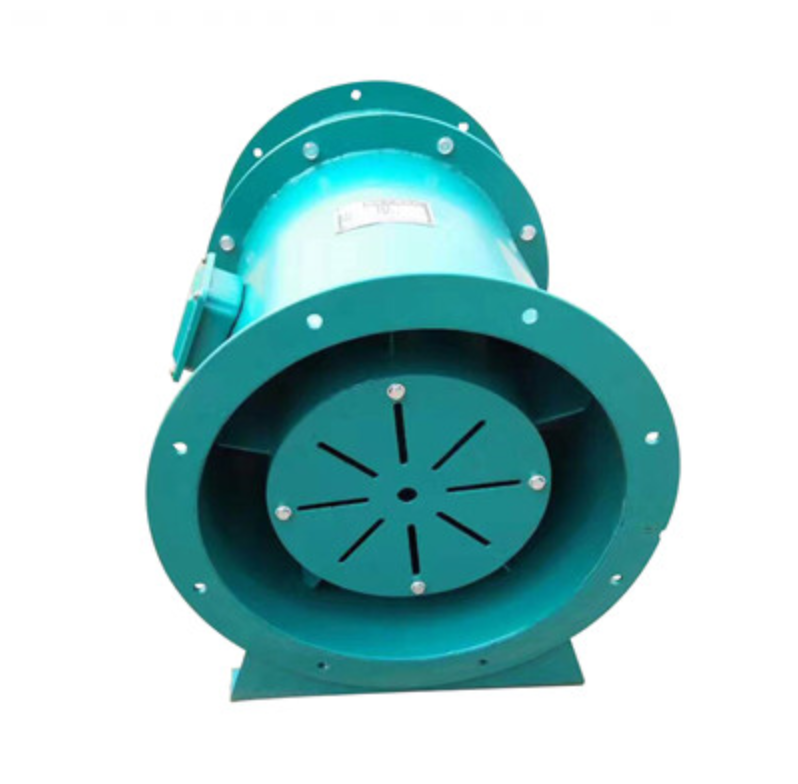
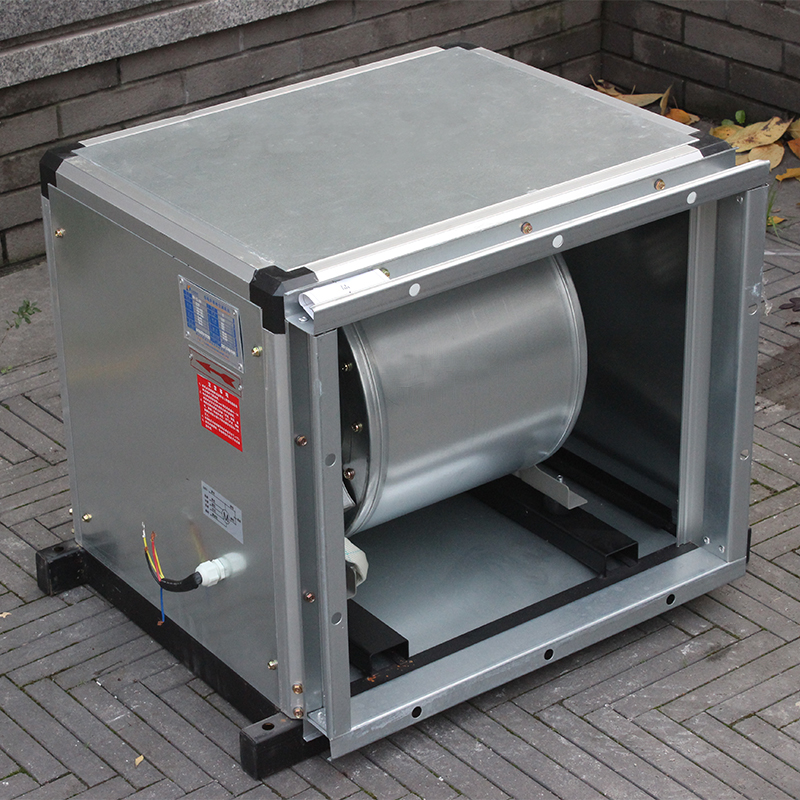
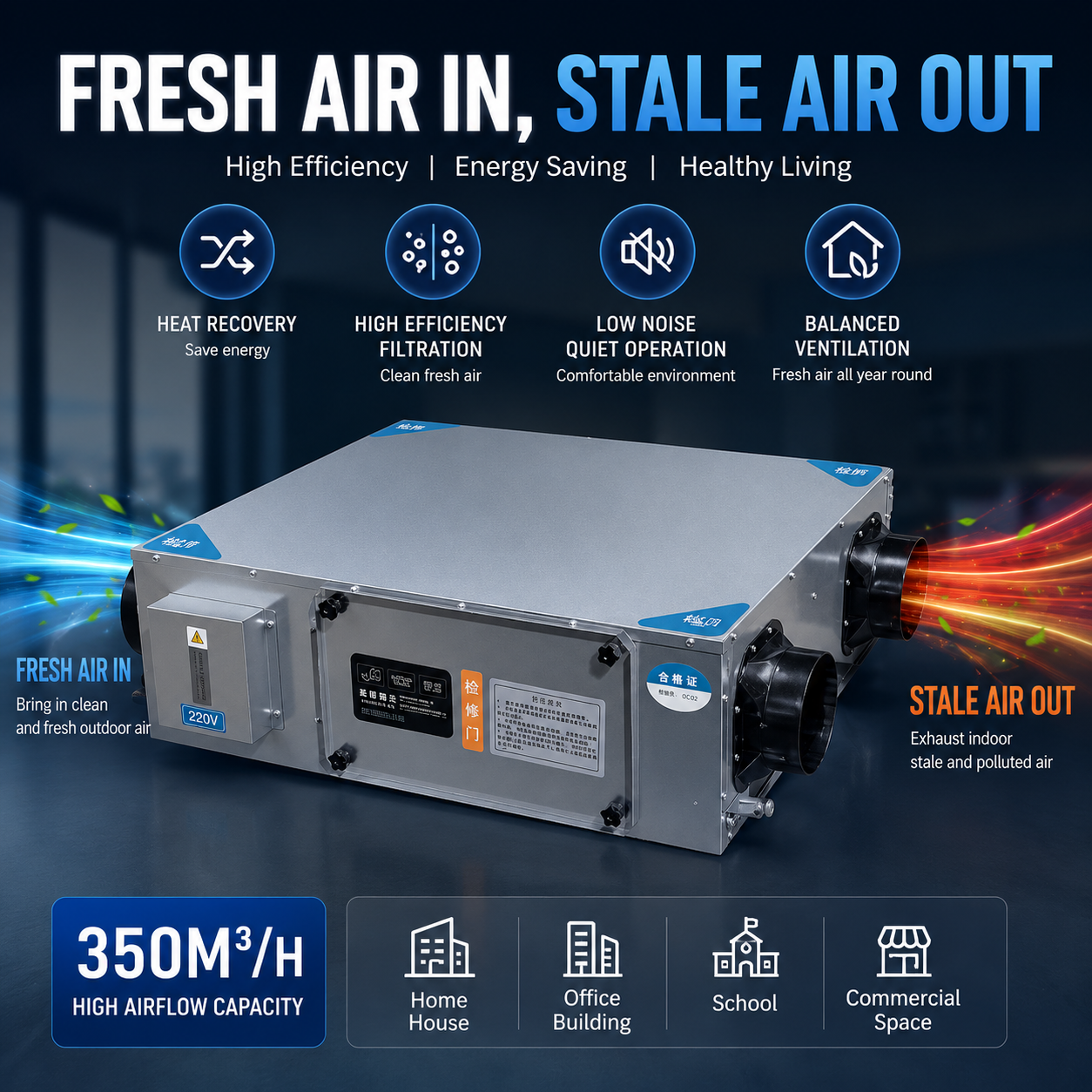
Jinan Hongpeng Ventilation Equipment Co., Ltd. specializes in providing advanced Heat Exchange Ventilation systems designed to enhance indoor air quality while maximizing energy efficiency. Our systems are engineered to recover heat from exhaust air and transfer it to incoming fresh air, significantly reducing energy consumption. With over 30 years of manufacturing expertise, we offer a comprehensive range of products including fans, air outlets, and HVAC components tailored to meet diverse customer needs globally. Our commitment to quality is backed by ISO9001, ISO14001, and ISO45001 certifications, ensuring that our Heat Exchange Ventilation systems comply with international standards. As we expand into international markets through Jinan Huifengquan Building Materials Trading Co., Ltd., we focus on delivering customized solutions that support cleaner air access for various environments, from large-scale infrastructure projects to residential buildings.
Get A Quote
 EN
EN